East Coast roofs often face several challenges due to frequent exposure to snow, rain, and other Nor’easter storms. But knowing which ones are most common can help you identify the issue and get help for your Natick, MA, home or business needs. Explore a few common roof problems our Natarelli & Son Roofing and Gutters team encounters and contact us for a repair or roof replacement quote!
Common Roof Problems and How We Can Help Solve Them
Joe Natarelli — Licensed Massachusetts Roofing Contractor — License ID CSSL-099659
Leaks
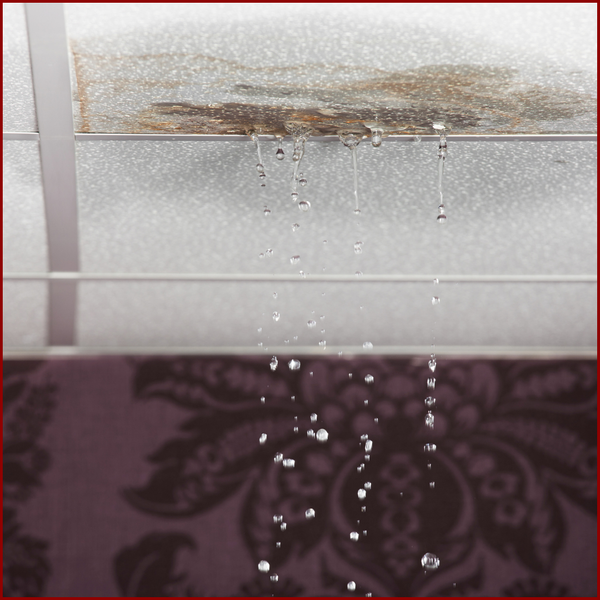
A leaking roof is one of the most critical issues homeowners and business owners face. It can lead to significant water damage and increased repair costs if not dealt with right away. Natarelli & Son Roofing and Gutters can help identify the source of leaks and provide effective roof repairs, ensuring your roof remains watertight even amid heavy storms.
Common causes:
- Damaged, missing, or deteriorated shingles.
- Failed flashing around chimneys, skylights, and roof-to-wall connections.
- Deteriorated seals around plumbing vents and other roof penetrations.
- Ice dams and wind-driven rain during Massachusetts storms.
If you notice a new ceiling stain or active dripping, document the location and contact a roofing professional. A temporary interior bucket can protect flooring and belongings, but it will not resolve the source of the leak.
Damaged Shingles
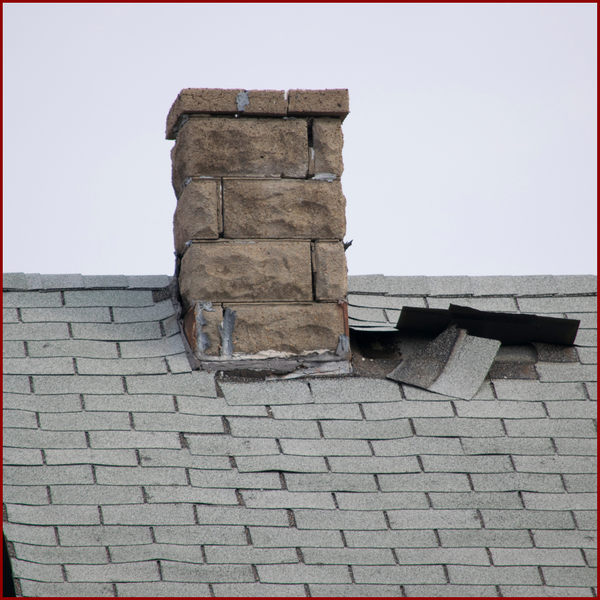
Damaged shingles can crack, curl, or become missing due to severe weather or normal wear and tear. This type of residential or commercial roof damage affects both the integrity and appearance of the entire system and it’s important to seek help right away. Our Natick roof and gutter company specializes in shingle replacement, ensuring your roof is both functional and visually appealing.
Look for shingle pieces in the yard after a storm.
Check for visible changes from the ground, using binoculars if needed.
Pay attention to loose or displaced shingles around roof edges and ridges.
Avoid assuming that a roof is undamaged simply because there are no interior leaks.
Have questionable damage assessed before the next major storm. Do not walk on the roof to inspect it yourself.
Pooling Water on Flat Roofs
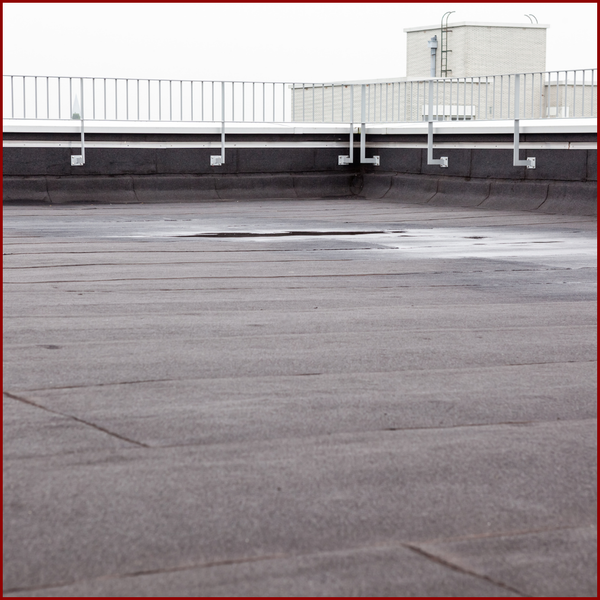
Commercial flat roofs can be prone to water pooling, especially after heavy rains. This can lead to structural damage and mold growth if not addressed immediately after the storm passes. At Natarelli & Son Roofing and Gutters, we provide expert solutions to improve drainage and repair any existing damage, allowing your flat roof to withstand the elements efficiently.
Flat and low-slope roofs are designed with drainage in mind, even though they may not look steep. Persistent ponding can indicate clogged drains, inadequate drainage, roof deformation, or other problems.
Common issues:
Blocked roof drains and scuppers.
Standing water that remains well after rainfall.
Blistering, splitting, or deterioration of roofing membranes.
Water intrusion around seams, edges, and rooftop equipment.
A commercial flat roof should be inspected if water repeatedly accumulates or if the roof develops visible damage. Keep drains maintained, but leave roof inspections and repairs to qualified roofing professionals.
Poor Ventilation
Inadequate roof ventilation can cause heat buildup, leading to premature shingle deterioration and increased energy costs. Our local roofing contractors can assess your roof’s ventilation and recommend necessary upgrades, promoting better air circulation and extending your roof's lifespan.
Ventilation should be evaluated alongside insulation, air sealing, and the overall roofing system. Installing a new vent alone may not address the underlying cause.
Storm Damage and Missing Shingles: What Massachusetts Homeowners Should Look For
High winds, heavy rain, and Nor’easters can put significant stress on a roof. Even when a storm does not cause an obvious leak, it may loosen shingles, damage flashing, or expose vulnerable areas that allow water to enter during the next rainfall.
Massachusetts homeowners should pay particular attention to their roofs after strong wind events, severe thunderstorms, and winter storms. Older roofing systems and roofs with existing wear may be more susceptible to damage.
Common Signs of Roof Storm Damage
After a storm, look for visible warning signs from the ground, including:
Missing or displaced shingles: Bare patches, uneven rows, or shingle pieces found in the yard may indicate wind damage.
Damaged roof edges and ridge shingles: These areas can be vulnerable to strong winds and may require closer inspection.
Loose or damaged flashing: Metal flashing around chimneys, skylights, and roof transitions helps prevent water intrusion.
Debris or fallen branches: Branches and other debris can damage shingles and roofing materials, even when the damage is not immediately obvious.
New leaks or ceiling stains: Water appearing indoors after a storm may indicate damage that needs prompt attention.
When Should You Request a Roof Inspection?
Consider contacting a roofing professional after a significant storm if you notice missing shingles, visible roof damage, fallen branches on the roof, or signs of water intrusion. An inspection can help identify damage and determine whether repairs are needed.
Do not climb onto your roof or attempt to inspect storm damage from a ladder in unsafe conditions. Wet roofing materials, loose shingles, and storm debris can create serious fall hazards.
Natarelli & Son Roofing and Gutters can help homeowners assess roofing concerns and determine the appropriate next steps for roof repair or further evaluation.
Signs a Roof Leak May Be Developing
A roof leak does not always begin with water dripping from the ceiling. In many cases, the first signs are subtle, and recognizing them early can help homeowners address a problem before additional damage develops.
Water can travel along roof decking, rafters, insulation, and wall cavities before becoming visible inside the home. As a result, the location of a ceiling stain may not be directly beneath the damaged area of the roof.
Warning Signs to Watch For
Ceiling stains or discoloration: Yellow, brown, or spreading marks on ceilings and upper walls may indicate moisture intrusion.
Damp attic insulation: Wet, compressed, or discolored insulation may be a sign of a leak or another moisture problem.
Peeling paint or bubbling finishes: Paint that begins to peel, blister, or bubble near ceilings and upper walls may indicate moisture behind the surface.
Water around roof penetrations: Moisture near skylights, chimneys, plumbing vents, or other roof openings may point to a flashing or sealing problem.
Musty odors or unexplained dampness: Persistent odors or moisture in an attic may warrant further investigation.
Signs that worsen after rain or snowmelt: A recurring stain or damp area that becomes more noticeable after precipitation deserves attention.
What Should You Do if You Notice These Signs?
Document visible changes with photographs and note when they appear, especially if they occur after rain or snowmelt. If it is safe to do so, check accessible interior areas for signs of moisture, but avoid entering unsafe attic spaces or disturbing wet electrical components.
Contact a roofing professional to evaluate whether the roofing system may be allowing water inside. The source could involve shingles, flashing, roof penetrations, or another part of the building envelope. Proper diagnosis is important because repairing the visible interior damage alone will not stop water from entering.
Roof Repair or Roof Replacement? How to Decide
When a roof develops a problem, homeowners often want to know whether a repair will solve it or whether a complete replacement is the better long-term option. The answer depends on several factors, including the roof's age, the extent of the damage, and the condition of the remaining roofing system.
When Roof Repair May Be Appropriate
A repair may be a practical option when the damage is limited to a small area and the surrounding roofing materials remain in serviceable condition. Examples may include replacing a few missing shingles, correcting a localized flashing problem, or repairing a specific area of roof damage.
The important consideration is whether the underlying roofing system is still performing adequately and whether the problem can be corrected without leaving other significant issues unresolved.
When Roof Replacement May Make More Sense
Replacement may be worth considering when the roof is nearing the end of its expected service life, damage is widespread, or multiple areas are showing signs of deterioration. Repeated leaks and recurring repairs may also indicate that a larger roofing problem needs to be evaluated.
Other considerations include the condition of the underlying roof deck, the extent of moisture damage, and whether the existing roofing system can continue to provide reliable protection.
What Factors Should Be Considered?
A professional assessment should consider:
Roof age: Older roofing materials may have less remaining service life.
Extent of damage: A localized problem is different from widespread deterioration.
Condition of surrounding materials: The remaining shingles, flashing, and other components matter when determining whether a repair is likely to be effective.
Previous repairs and recurring leaks: Repeated problems may warrant a broader evaluation.
Long-term plans and budget: Homeowners should understand the expected benefits, limitations, and costs of each option.
There is no single age or damage threshold that determines the right choice for every roof. A qualified roofing contractor can inspect the condition of the system, explain the available options, and provide a recommendation based on the roof's actual condition.
For more information, see our related guide on when roof repair makes sense versus roof replacement.
What Should You Do if Your Roof Starts Leaking?
Discovering a roof leak can be stressful, particularly during heavy rain or a Massachusetts winter storm. Taking a few sensible steps can help protect your belongings, document the problem, and prepare for a professional assessment.
1. Protect People and Belongings
If it is safe to do so, move furniture, electronics, and other valuables away from the affected area. Place a container beneath active drips and use towels or other materials to protect nearby surfaces.
If the ceiling is bulging, sagging, or holding water, keep people away from the area. Do not puncture the ceiling or attempt a repair yourself. If water is near electrical fixtures, wiring, or outlets, avoid the area and seek qualified assistance.
2. Document the Visible Damage
Take photographs or videos of the leak, ceiling stains, damaged belongings, and any other visible signs of water intrusion. Record when the problem started and whether it appeared during rain, after snowmelt, or following a storm.
This information may help your roofing contractor understand the circumstances surrounding the leak. Keep receipts for reasonable emergency protective measures and contact your insurer if you suspect storm damage or believe a claim may be appropriate.
3. Avoid Climbing Onto the Roof
Do not climb onto a wet, icy, or storm-damaged roof to look for the source of a leak. Roofing surfaces can be slippery, and storm damage may make them unstable. Avoid using a ladder in high winds or other hazardous conditions.
If you can safely observe the roof from the ground, note any obvious missing shingles or debris, but leave close inspection and repairs to a professional.
4. Contact a Roofing Professional
Arrange an assessment to identify the source of the water intrusion and determine what repairs may be necessary. The visible leak could be related to damaged shingles, flashing, roof penetrations, ice dams, or another issue.
If water is entering rapidly, damage is spreading, or the roof has sustained significant storm damage, seek assistance promptly. Interior cleanup and ceiling repairs should not replace addressing the source of the leak.
Natarelli & Son Roofing and Gutters helps homeowners evaluate roofing problems and determine the appropriate repair or replacement options.
When to Call a Roofing Contractor
Not every roofing concern requires an emergency response, but some problems should be evaluated promptly to reduce the risk of further damage. Knowing the difference between an urgent issue and a routine maintenance concern can help homeowners decide what to do next.
Roofing Problems That Need Prompt Attention
Contact a roofing professional promptly if you notice:
Active water intrusion or a new leak inside the home.
Missing shingles or visible roof damage after strong winds.
A fallen branch or other object that has struck the roof.
Water entering around a chimney, skylight, or other roof penetration.
Repeated leaks or stains that return after previous repairs.
Visible sagging or other changes that may indicate a structural concern.
If there is a risk of structural failure, falling debris, or electrical danger, keep people away from the affected area and contact the appropriate emergency professionals.
Issues That May Be Suitable for Routine Maintenance
Some concerns can generally be scheduled for a planned inspection, provided there is no active leak or immediate safety risk. These may include:
Checking the roof as part of regular home maintenance.
Evaluating an aging roof before problems develop.
Reviewing flashing and other visible components for signs of wear.
Arranging gutter maintenance to support proper drainage.
Investigating minor changes noticed during a ground-level inspection.
Routine maintenance is especially useful before and after seasons with severe weather, although the appropriate inspection schedule depends on the roof's age, materials, condition, and exposure.
Why a Professional Assessment Matters
Roofing problems can have similar symptoms but different causes. A ceiling stain, for example, may result from damaged shingles, failed flashing, condensation, or another source of moisture. Identifying the underlying cause helps determine whether a repair, maintenance work, or a more extensive roofing project is appropriate.
If you are unsure about the condition of your roof, a professional inspection can help clarify the problem and the next steps. Contact Natarelli & Son Roofing and Gutters to discuss your roofing concerns and arrange an evaluation.
Get Routine & Emergency Roof Leak Repairs Now
At Natarelli & Son Roofing and Gutters, we are dedicated to solving your roofing problems efficiently. With our expertise in both commercial and residential roofing, we ensure that your roof remains in top condition no matter what. Call us today!
Storm damage and missing shingles: warning signs after high winds and Nor’easters, and when to request an inspection.
Signs a roof leak may be developing: ceiling stains, damp attic insulation, peeling paint, and water around roof penetrations.
Roof repair or replacement? Explain that the decision depends on the roof’s age, the extent of damage, and the condition of the remaining roofing system.
What should you do if your roof starts leaking? Explain safe steps such as protecting belongings, documenting visible damage, and contacting a roofing professional. Tell readers not to climb onto a wet or storm-damaged roof.
When to call a roofing contractor: distinguish issues that need prompt attention from routine maintenance concerns.
Blog Post Tag: